
Waiting for the HOA to decide who pays before starting the drying. The water does not wait, and neither does mold.
Home · Blog · Condo Water Damage
Condo Water Damage in Boca Raton: Who Pays — You or the HOA?
Water is dripping from your ceiling, or your downstairs neighbour is knocking on your door. In a Boca Raton condo tower, a leak is almost never one person’s problem. Water runs through ceilings, light fixtures and wall cavities, and by the time you see it, two or three units and the association can all be involved. The question every condo owner asks first is the same one: who pays? The answer sits in Florida law, your building’s declaration, and what you do in the first hours after the water appears.
Call (561) 979-0130 · Open Monday – Saturday 8:00 AM – 6:00 PM
November 8, 2026 · 5 min read
1. First: stop the water, and tell the right people
Nothing else matters until the water stops coming in. Close the shut-off valve for your unit, which is often in a utility closet or near the water heater. If the leak is coming from above you, call building management. They can shut off a riser you cannot reach, and they need to know right away.
Tell your manager in writing on day one, and keep a copy. A phone call is not enough when three insurers may end up involved. Photograph everything before anything is moved or torn out: wide shots of each room, close-ups of the damage, and the source of the leak if you can see it.
If the water came from a toilet, a sewer line or outside the building, do not touch it at all. That is Category 3 water, and it carries bacteria.
2. Who pays? The Florida split
In a condo, the next question is usually whose policy pays. Florida’s Condominium Act, section 718.111(11), splits it. Generally, the association insures the building as originally installed: roughly the drywall and everything behind it. Unit owners cover what is inside, including floor coverings, cabinets, finishes and their own belongings, usually through an HO-6 policy.
If a neighbour’s unit caused the leak, that owner can be responsible for damage the association’s policy does not cover. And your building’s declaration can change the details, so ask for it. One condo leak can become three claims.
That split is also why the drying should not wait for the argument about money to be settled. The association, your HO-6 insurer and your neighbour’s insurer will each want their own evidence, and the drying log is the document all three of them use.
3. The three leaks that cause most condo damage in Boca
The air conditioner is first. Air handlers in hall closets and attics produce water all day in our climate, and a clogged drain line, a rusted pan or a failed float switch can send it into the closet floor, the wall or the ceiling below. In a tower, the unit below finds out first.
Second, shared risers and branch lines. In towers, water from a shared riser or a neighbour’s branch line can appear several units away from its source. Tracing it takes access to more than one unit, through building management, and a moisture meter and thermal camera to follow it through the walls. That is what leak detection does before any drying starts.
Third, the unit above. A failed supply line, shower pan or washing machine hose sends water down through ceilings and light fixtures, and extraction often has to happen in two or three units at once, with the building’s permission. That is the reality of stacked living, from the oceanfront towers along A1A to the Mizner Park condos in East Boca & Highland Beach. Emergency water extraction gets the standing water out first, then measures exactly how far it spread.
4. While the blame is sorted out, the clock is running
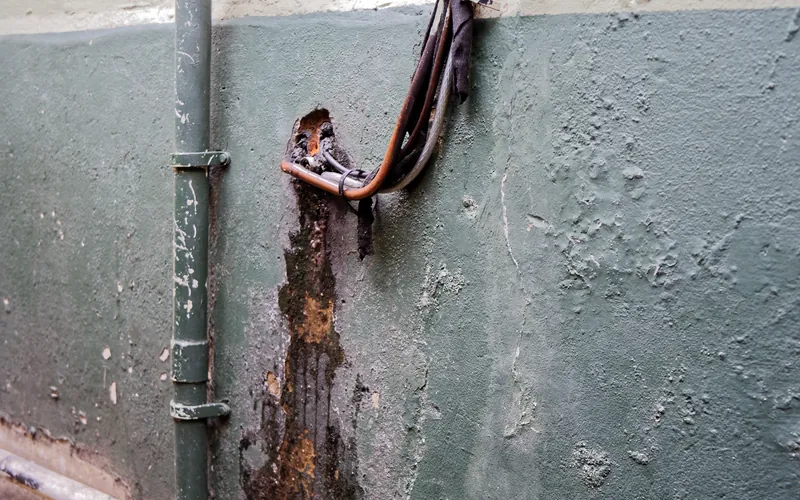
This is the part that costs condo owners the most. In our humidity, mold can begin growing on wet drywall, wood and carpet pad within 24 to 48 hours, and the longer the water sits, the more of the unit has to come out. That is why mold remediation starts with containment and removal, not with a spray bottle. Drying a contained clean-water loss often takes about three to five days, and the equipment comes out when the readings say the materials are dry, not on a fixed date. Structural drying readings are taken daily until each wet material reaches its dry standard.
Condo jobs come with their own paperwork. Most associations require approval before contractors start, a certificate of insurance, set working hours and elevator reservations, and sometimes approved flooring with sound underlayment for upper floors. That is handled with your manager.
Many Palm Beach County condo buildings are also going through mandatory milestone structural inspections. When those inspections turn up water intrusion at balconies, windows or exterior walls, the work is done with the board and the building engineer.
5. Protecting your claim
Your claim is only as strong as your evidence: photographs, moisture maps, daily drying logs and an itemized estimate are what your adjuster needs, and a restoration company should supply them. The drying log matters most of all: it shows the loss was handled promptly and properly, whichever policy ends up paying.
Report the loss promptly. Under section 627.70132 of the Florida Statutes, a new property claim has to be reported within one year of the date of loss, but delay is one of the most common reasons insurers dispute water claims.
Before anyone asks you to sign anything, know this: Florida banned assignment of benefits for property policies issued on or after January 1, 2023, and a contractor asking you to sign over your claim or insurance proceeds on day one is a red flag. You stay in control of your claim. General information, not insurance or legal advice.
Seasonal owners face the worst version of this. A leak that runs for weeks while you are away does far more damage than one found on day one, and the drying log and photos are what separate a covered loss from a maintenance dispute. If nobody is in the unit, ask your manager or a neighbour to check it, and tell them where your shut-off valve is.
Mistakes that cost condo owners
Telling the manager by phone only. Put it in writing on day one, and keep a copy.
Tearing out wet finishes before they are photographed and measured. Your claim loses its evidence.
Signing assignment-of-benefits paperwork on the first visit. You stay in charge of your claim.
Assuming the association’s policy covers your floors, cabinets and furniture. It generally covers the building as originally installed. What is inside is usually yours, through an HO-6 policy.
Condo Water Damage FAQs
Who pays when the condo above me leaks into my unit?
Under Florida Statute 718.111(11), the association generally covers the building as originally installed, and you cover your unit’s finishes and belongings. An upstairs owner can be responsible for damage the association’s policy does not cover. Your declaration can change this, so check it with your manager.
What if the leak comes from a shared riser?
A shared riser is the association’s line, so the association and its insurer are involved. Notify management in writing right away. Tracing it often needs access to the unit above and the building’s records, which the manager can arrange.
Can my HOA stop the drying work?
Associations usually require approval, a certificate of insurance, set working hours and elevator bookings before contractors start. That paperwork is handled with your manager. It should not hold up the drying itself, because wet materials start growing mold within 24 to 48 hours.
What if I am out of state when it happens?
Tell your manager as soon as you know, and ask them to check the unit. The longer water sits, the worse the damage, and the photos and drying log still matter for your claim. Do not let anyone sign assignment-of-benefits paperwork on your behalf.
Water in Your Boca Raton Condo? Call Aqua Revive
Whether the leak started in your unit, the one above, or a shared riser, we will find the source, get the water out, and keep the drying log and photos every insurer involved will ask for. Call (561) 979-0130. Open Monday – Saturday, 8:00 AM – 6:00 PM.