
Do not wait to see if it dries on its own. Boca’s outdoor air rarely helps things dry. Drying here means closed rooms, dehumidifiers and daily readings.
What to Do in the First 24 Hours After Water Damage in Boca Raton
You walk into the kitchen and your socks are wet. Or you come home to a brown stain spreading across the ceiling. In Boca Raton, where a burst supply line, a clogged AC drain or a king tide can put water in a home on any day of the year, the first 24 hours decide how big the job becomes. What you do in that first day protects your home, your belongings and your insurance claim.
Call (561) 979-0130 · Open Monday – Saturday 8:00 AM – 6:00 PM
November 5, 2026 · 5 min read
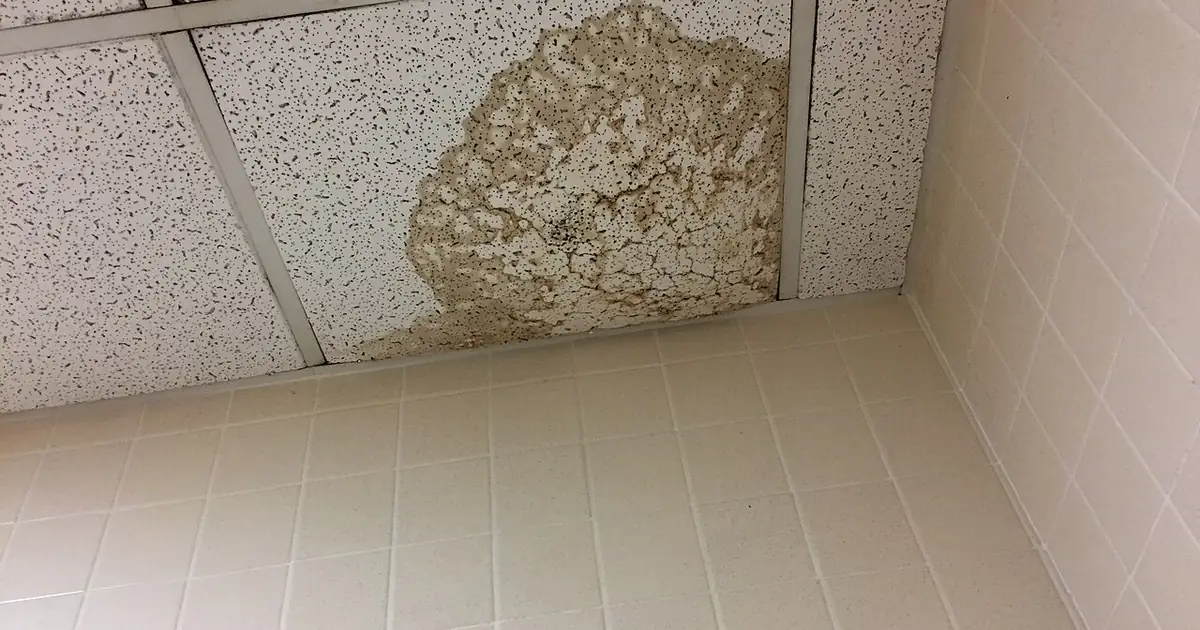
1. Stop the water first
Nothing else matters until the water stops coming in. Close the main shut-off valve for the house. In a condo, the valve for your unit is often in a utility closet or near the water heater. If the leak is coming from above you, call building management — they can shut off a riser you cannot reach.
If the water is coming from the air conditioning, turn the AC off at the thermostat. Air handlers in hall closets and attics produce water all day in our climate, and a clogged drain line, a rusted pan or a failed float switch can send it into the closet floor, the wall or the ceiling below. If water is coming in from outside — street flooding, a king tide or wind-driven rain — there is no valve to close, so move on to the safety and photo steps below.
2. Make it safe, then photograph everything
Before you wade in, switch off the breakers to wet rooms if you can reach the panel safely, and stay clear of a ceiling that sags or bulges — it is holding water. Keep children and pets out of the wet area.
Then photograph everything before you move it: wide shots of each room, close-ups of the damage, and the source of the leak. Video works too. These photos are the foundation of your claim, and they are far harder to take convincingly after the room has been cleaned up. Keep the part that failed, whether it is the hose, the valve or the supply line — your adjuster may want to see it.
If the water came from a toilet, a sewer line or outside the house, do not touch it at all — that is Category 3 water, and it carries bacteria. Mopping standing clean water is fine.
3. Move what you can — and leave the rest alone
Lift furniture legs onto foil or wood blocks so they do not wick up water and stain. Get rugs, papers and electronics off the floor, and move anything that needs specialist cleaning out of the wet area, noting what you moved.
What not to do matters just as much. Do not pull up carpet, cut into drywall or run household fans yet. Fans can spread contaminated water and mold spores, and tearing out materials before they are photographed and measured can weaken a claim. Do not run a household vacuum on wet carpet, and do not turn on a ceiling fan in a room with a wet ceiling.
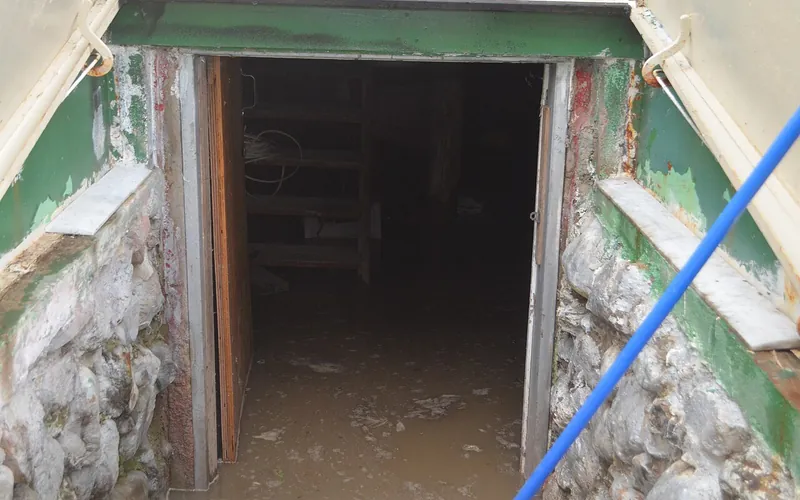
4. Get the water out and the drying started
This is where the clock matters most. In our humidity, mold can begin growing on wet drywall, wood and carpet pad within 24 to 48 hours, so getting the bulk water out on day one is the single most useful thing you can do. Emergency water extraction gets the standing water out first, with truck-mounted and portable extractors and pumps, and then measures exactly how far it spread — moisture-meter and thermal-camera readings that mark the edge of the wet area.
Extraction is usually done on the first visit. Drying takes several more days and is handled under its own plan: dehumidifiers and air movers, with structural drying readings taken daily until each wet material reaches its dry standard. The drying log from those readings is often the most important document in a water claim — it shows the loss was handled promptly and properly. If the source is hidden, leak detection traces it before drying starts, so you are not drying a room that is still getting wet.
5. If you live in a condo, tell the right people
In a tower off Mizner Boulevard or along A1A, a failed AC drain line on the twelfth floor can reach the tenth — your unit, your neighbour’s and the association’s common elements, each with its own insurer. Notify building management in writing on day one, and keep a copy.
Florida’s Condominium Act, section 718.111(11), generally splits responsibility: the association insures the building as originally installed — roughly the drywall and everything behind it — while unit owners cover what is inside, including floor coverings, cabinets, finishes and their own belongings, usually through an HO-6 policy. If a neighbour’s unit caused the leak, that owner can be responsible for damage the association’s policy does not cover. Your building’s declaration can change the details, so ask for it.
6. What to tell your insurer
Report the loss promptly. Under section 627.70132 of the Florida Statutes, a new property claim has to be reported within one year of the date of loss, but in practice you should report right away: delay is one of the most common reasons insurers dispute water claims. Photographs, moisture maps, daily drying logs and an itemized estimate are what your adjuster needs, and a restoration company should supply them — you deal with your insurer.
Before anyone asks you to sign anything, know this: Florida banned assignment of benefits for property policies issued on or after January 1, 2023, and a contractor asking you to sign over your claim or insurance proceeds on day one is a red flag. You stay in control of your claim. General information, not insurance or legal advice.
What not to do in the first 24 hours
Do not run household fans or a wet vacuum. Fans can spread contaminated water and mold spores.
Do not tear anything out before it is photographed. Materials should be measured and photographed first, or your claim loses its evidence.
Do not touch Category 3 water. Sewage, toilet overflow and floodwater carry bacteria. Leave it to a crew with protective equipment.
Do not sign your claim away. No assignment of benefits paperwork on the first visit. You stay in charge of your claim.
First 24 Hours FAQs
Can I stay in the house after water damage?
Usually, yes, if it is clean water and the electrics in the wet area are safe. You will hear drying equipment running day and night for several days. With Category 3 water, or if the kitchen or only bathroom is out of action, staying elsewhere is often more practical.
How long does extraction take?
Extraction is usually done on the first visit. How many hours depends on the area, the depth of water and the access. Drying takes several more days and is handled under its own plan.
Will my insurance cover the damage?
It depends on the source. Water from a pipe or appliance is usually handled under your homeowners policy. Water that rose from outside is flood, which needs a separate flood policy. Report the loss promptly either way, and keep every photo and reading.
What if the water came from outside?
Storm, street flood and king-tide water is treated as Category 3 and cleaned up differently from a burst pipe. It is also documented separately, so your flood policy and your homeowners policy each get the evidence they need. Do not touch it yourself, and report it as soon as you can.
Water in Your Boca Raton Home? Call Aqua Revive
Shut off the water, take your photos, and call (561) 979-0130. We will get the water out, show you exactly how far it spread, and have drying running before we leave. Open Monday – Saturday, 8:00 AM – 6:00 PM.